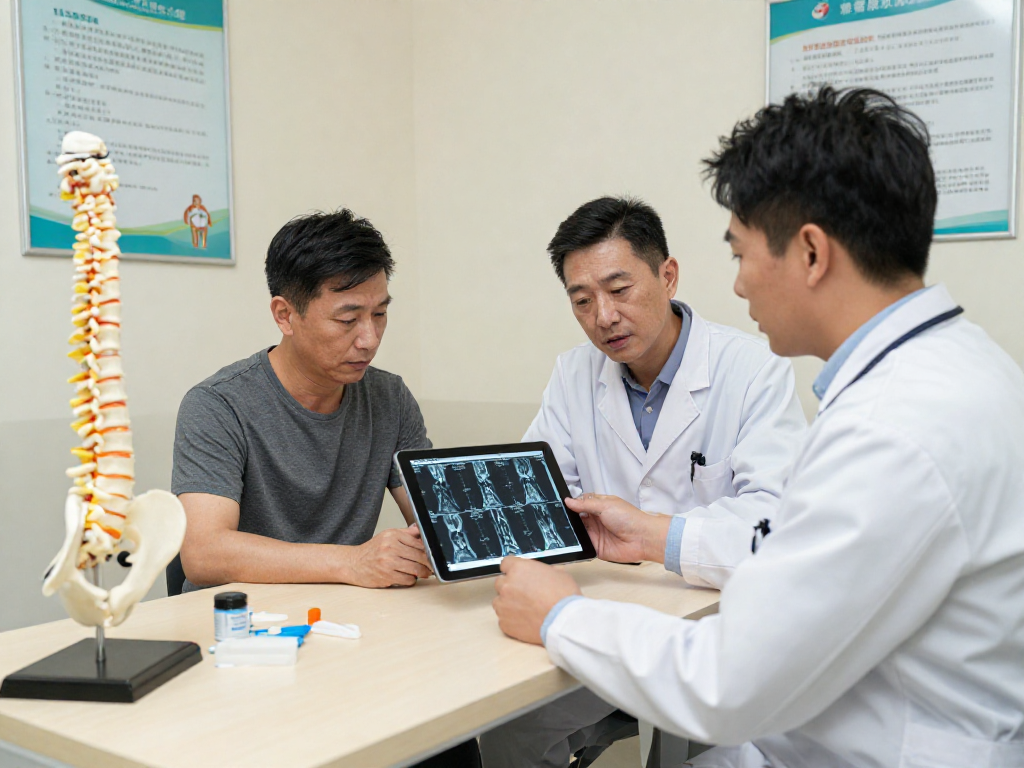
Understanding Boyun fıtığı and Its Implications
Boyun fıtığı, also known as cervical disc herniation, is a condition that occurs when one of the cushions (discs) between the vertebrae in the neck ruptures or bulges, putting pressure on nearby nerves and spinal cords. This ailment can arise from various factors, including aging, injury, or constant strain from repetitive motions, especially in professions that require prolonged periods of sitting or awkward neck positions. Understanding the implications of boyun fıtığı is crucial for preventing long-term complications and determining whether surgical intervention is necessary. When exploring options, Boyun fıtığı ameliyatı provides comprehensive insights into when surgery becomes a viable option.
What is Boyun fıtığı?
Boyun fıtığı refers to the abnormal displacement of the intervertebral disc in the cervical spine, which can lead to significant discomfort and neurological symptoms. The cervical spine consists of seven vertebrae labeled C1 to C7. Each vertebra is separated by an intervertebral disc that acts as a cushion, providing support and facilitating movement. Factors contributing to the development of boyun fıtığı include age-related degeneration, sudden trauma, or repetitive stress. Over time, the outer layer of the disc can weaken and tear, allowing the inner gel-like substance to protrude. This protrusion can irritate surrounding nerves, causing various symptoms.
Common Symptoms and Diagnosis
The symptoms of boyun fıtığı can vary widely among individuals. Commonly reported symptoms include:
- Pain: Radiating pain in the neck, shoulders, arms, or back.
- Numbness or tingling: Sensations in the arms and fingers, often described as "pins and needles."
- Weakness: Difficulty lifting objects or performing tasks that require fine motor skills.
- Stiffness: Limited range of motion in the neck and discomfort in prolonged positions.
Diagnosis typically involves a thorough clinical examination, supplemented by imaging studies such as MRI or CT scans. These tests help visualize the location and extent of the herniated disc and any nerve compression.
Consequences of Untreated Boyun fıtığı
If left untreated, boyun fıtığı can lead to severe complications, including:
- Permanent nerve damage: Prolonged pressure on nerves may result in irreversible damage, leading to chronic pain or disability.
- Increased risk of falls: Weakness and loss of coordination can make individuals more susceptible to falls.
- Reduced quality of life: Chronic pain and discomfort can severely impact one's ability to engage in daily activities and lead to emotional distress.
Early intervention and treatment can help mitigate these risks and preserve functionality, often starting with conservative approaches such as physical therapy and medication.
When is Surgery Necessary for Boyun fıtığı?
Surgery for boyun fıtığı is generally considered only after conservative treatments have failed, usually after a period of 6 to 8 weeks. The decision for surgical intervention depends on specific criteria, symptoms, and overall health status.
Criteria for Surgical Intervention
Several key indicators can necessitate surgery, including:
- Progressive neurological deficits: If there are signs of worsening symptoms such as increasing weakness or loss of sensation, surgical intervention may be required to prevent permanent damage.
- Severe pain not responsive to treatment: Persistent pain that significantly impacts daily life and is not alleviated through medication or therapy can prompt surgical evaluation.
- Signs of myelopathy: Symptoms indicative of cord compression, such as coordination difficulties, are urgent. This may manifest as clumsiness or difficulty walking.
Progressive Symptoms That Require Attention
Patients should be vigilant for progressive symptoms that may necessitate timely intervention. These include:
- Worsening weakness: Difficulty holding objects or performing tasks that require grip strength.
- Loss of balance: Increased frequency of stumbling or falling.
- Changes in bowel or bladder control: Any emergent symptoms in this area should be treated as a medical emergency.
Evaluating the Need for Boyun fıtığı ameliyatı
The evaluation for surgery is not solely based on imaging findings; it also considers clinical symptoms and neurological status. A comprehensive assessment typically includes:
- Clinical examination: Testing muscle strength, sensation, and reflexes to assess nerve function.
- Imaging studies: MRI or CT scans confirm the diagnosis and exclusion of other potential causes of symptoms.
- Electrophysiological tests: EMG may be utilized to assess nerve conduction and damage.
It’s important to note that a herniated disc on imaging does not automatically qualify one for surgery; functional impairment and severe pain are critical determinants.
Risks Associated with Boyun fıtığı Ameliyatı
While surgical interventions for boyun fıtığı have become safer due to advancements in technology, several risks remain. Understanding these risks can help patients make informed decisions regarding their treatment options.
Common Surgical Risks Explained
Potential risks associated with boyun fıtığı surgery may include:
- Infection: Although rare, surgical site infections can occur.
- Bleeding: Excessive bleeding during or after surgery may necessitate additional procedures.
- Nerve injury: There's a slight risk of damaging surrounding nerves, which may result in persistent symptoms.
- Difficulty swallowing: This complication can occur due to swelling or scarring around the throat.
What to Expect During Recovery
Recovery from boyun fıtığı surgery generally involves:
- Hospital stay: Most patients can expect to stay in the hospital for one or two days.
- Physical therapy: Rehabilitation is often necessary to regain strength and mobility.
- Pain management: Medications will be prescribed to manage discomfort during recovery.
Evaluating Long-term Outcomes
Long-term outcomes following boyun fıtığı surgery are generally positive. Many patients experience significant relief from pain and return to their normal activities. Nevertheless, outcomes can vary based on factors such as age, overall health, and the presence of comorbid conditions.
Alternative Treatments for Boyun fıtığı
Before considering surgery, various alternative treatments may be effective in managing symptoms associated with boyun fıtığı. These options focus on alleviating pain and improving function without the need for invasive procedures.
Non-Surgical Options Available
Effective non-surgical treatment options include:
- Physical therapy: A tailored regimen can enhance neck strength and flexibility.
- Medications: Over-the-counter analgesics or prescription drugs can help control pain.
- Chiropractic care: Manual adjustments may relieve pressure on nerves and improve mobility.
Physical Therapy and Medication Effectiveness
Physical therapy remains one of the most effective non-surgical interventions for boyun fıtığı. Skilled therapists design individualized programs that can include:
- Exercises: Targeting neck muscles and improving overall posture.
- Manual therapy: Techniques that address spinal alignment issues.
Medications may include NSAIDs, corticosteroids, or muscle relaxants, depending on the severity of symptoms.
Complementary Treatments and Lifestyle Changes
In addition to conventional treatments, complementary strategies may enhance recovery and reduce pain:
- Acupuncture: May provide relief by stimulating specific points in the body.
- Massage therapy: Can alleviate muscle tension and improve circulation.
- Lifestyle modifications: Ergonomic adjustments at work and home, alongside regular exercise, can prevent exacerbations.
The Future of Boyun fıtığı Treatment
The landscape of boyun fıtığı treatment is evolving, with new technologies and techniques continuously emerging to improve patient outcomes.
Emerging Surgical Techniques and Technologies
Innovations in minimally invasive surgery and robotic-assisted procedures promise to enhance recovery times and reduce complications associated with traditional open surgeries. Techniques like endoscopic discectomy are becoming more commonplace, significantly lowering recovery times.
Predictions for Boyun fıtığı Management by 2026
By 2026, it's anticipated that non-invasive treatments will see further advancements, particularly in regenerative medicine, such as stem cell therapy aimed at healing damaged tissues.
Expert Insights on Optimal Care Strategies
Experts recommend a multidisciplinary approach for optimal care that incorporates medical, surgical, and rehabilitative strategies to ensure comprehensive treatment for patients suffering from boyun fıtığı.
What are the signs that Boyun fıtığı may require surgery?
Key signs include worsening neurological deficits, unmanageable pain, and indications of myelopathy. Consulting with a healthcare provider as soon as these symptoms arise is critical in making timely decisions regarding surgical options.
Are there alternatives to Boyun fıtığı surgery?
Yes, various non-surgical treatments, such as physical therapy, medications, and lifestyle modifications, may be effective in managing symptoms without the need for surgery. Patients should explore these options with their healthcare provider before resorting to surgical intervention.
What should patients expect post-surgery?
Post-surgery, patients can anticipate a structured recovery plan, including pain management and physical therapy to help restore function. Follow-up appointments will be necessary to monitor progress and address any concerns that may arise.
How can I prepare for a Boyun fıtığı operation?
Preparation for surgery typically involves pre-operative assessments, including imaging studies and lab tests, and may also include guidance on medications to avoid prior to the procedure. Ensuring you understand the surgical process and recovery expectations can significantly help in preparation.
What are the long-term risks after Boyun fıtığı ameliyatı?
Long-term risks may include recurrent pain, nerve damage, or complications from the surgery itself. For more information, Boyun fıtığı ameliyatı offers valuable insights. However, with proper care and management, most individuals experience a significant reduction in symptoms and improved functionality post-surgery.